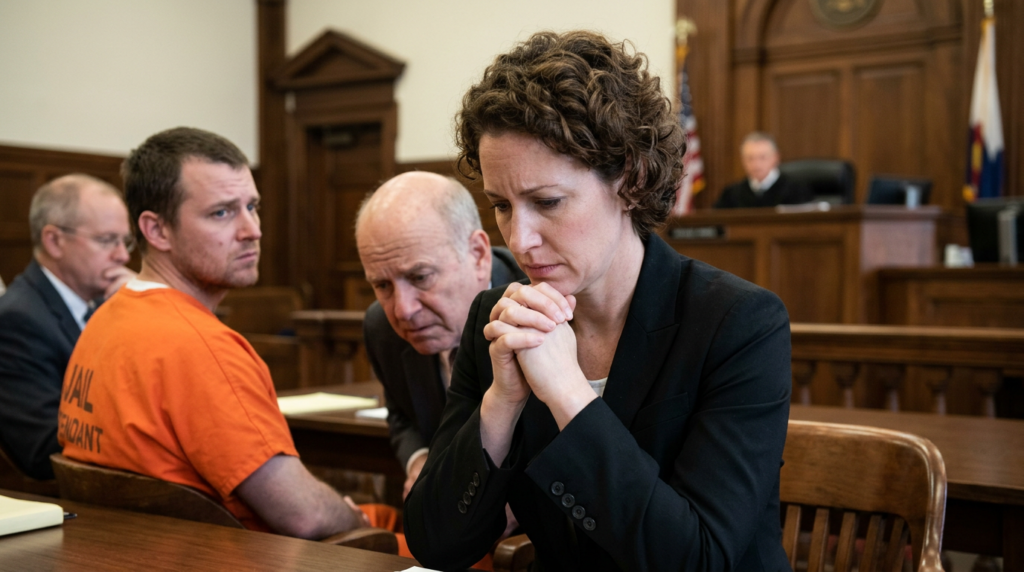
Quick answer: To prove ineffective assistance of counsel in Denver, you generally must satisfy the Strickland standard: (1) counsel’s performance fell below an objective standard of reasonableness, and (2) there’s a reasonable probability the result would have been different without the errors. Colorado usually raises these claims through a Crim. P. 35(c) postconviction motion, with the required showing varying by context (trial, plea advice, or sentencing).
What Courts Look For In An Ineffective Assistance Claim
Colorado courts generally apply the two-part test from Strickland v. Washington and Colorado decisions applying it, including Davis v. People. The first question is whether the lawyer’s work fell below reasonable professional standards. The second is prejudice: whether the mistake creates a reasonable probability of a different outcome. That prejudice showing changes depending on the stage of the case—trial errors focus on verdict impact, plea-advice errors focus on whether you would have made a different plea decision, and sentencing errors focus on whether the sentence likely would have been different.
Examples that can support a claim include failing to investigate an obvious alibi lead, not interviewing a key witness, missing a meritorious suppression argument, giving plainly wrong advice about immigration or mandatory sentencing consequences, or failing to convey a plea offer. Strategy disagreements alone usually don’t win unless the choice was outside the range of reasonable professional judgment given what counsel knew (or should have learned).
If you’re searching for an ineffective assistance of counsel attorney Denver, ask how they would connect each alleged error to a specific prejudice theory. Courts want a concrete chain: what competent counsel would have done, what evidence supports that, and how it likely would have changed the plea, verdict, or sentence.
How A Rule 35(c) Motion Works In Colorado
In Colorado, ineffective assistance is commonly raised under Colorado Crim. P. 35(c), not just on direct appeal, because many claims depend on facts outside the trial record. A well-built 35(c) motion identifies the legal standard, states specific supporting facts, and requests an evidentiary hearing if the record doesn’t already resolve the issue.
A court typically grants a hearing only if the motion alleges specific facts that, if true, would entitle the defendant to relief, and the existing record doesn’t conclusively refute those facts. Many 35(c) motions are denied without a hearing for predictable reasons: conclusory allegations (“my lawyer didn’t try”), failure to show prejudice, procedural bars (issues that were or could have been raised earlier), waiver, or other rule-based limitations under 35(c).
Think of the filing as a proof outline. Each claim should include (1) the act or omission, (2) why it was unreasonable under professional norms, (3) what evidence supports it, and (4) the prejudice theory tied to your case posture—trial, plea, or sentencing.
Concrete Examples Of Proving Prejudice
Missed suppression motion: It’s not enough to say counsel “should’ve filed it.” You generally need to show the motion had a sound legal basis (for example, an unlawful stop, lack of probable cause, or an involuntary statement), that it had a reasonable chance of being granted, and that suppressing the evidence would likely have changed the outcome—such as removing the key evidence that drove the plea or conviction.
Uncalled witness: Courts commonly expect more than “they would’ve helped.” An affidavit or detailed proffer should explain who the witness is, how they know the facts, what they would have said, that they were available to testify, and why the testimony would likely have mattered (for example, contradicting the only eyewitness on an identification, or providing an alibi for the charged time window).
Bad plea advice: A defendant typically must allege specific incorrect advice or missing advice, show that competent advice would have changed the decision-making, and explain the prejudice in concrete terms—such as that you would have accepted a particular offer, or you would have rejected the plea and insisted on trial, with a plausible defense or risk calculus that makes that choice credible. Sentencing-stage claims similarly need a “but for” story, like missing mitigation evidence that could reasonably have affected the court’s sentencing decision.
Practical Next Steps In Denver And Colorado
Collect the record: Request the register of actions, charging documents, plea paperwork, sentencing orders, and transcripts (advisements, motions hearings, trial, and sentencing). If you don’t have discovery, ask prior counsel for the discovery file and correspondence. Save jail calls, letters, and messages that show what advice was given and when.
Protect timing and issues: Postconviction practice has procedural default rules and time limits that can block claims if they aren’t raised properly or are filed late under Colorado law. Don’t assume you can “fix it later.” If you’re considering a 35(c), preserve your arguments in writing, keep a timeline of key dates, and avoid filing a vague motion that locks you into weak allegations.
Consult postconviction counsel early: The best time is as soon as you suspect the problem, while transcripts, witnesses, and files are still accessible. Bring a one-page summary of what went wrong, what you think should have happened, and what documents you already have. If you want help assessing potential 35(c) claims and building a fact-supported motion, DeChant Law is a place to get help.