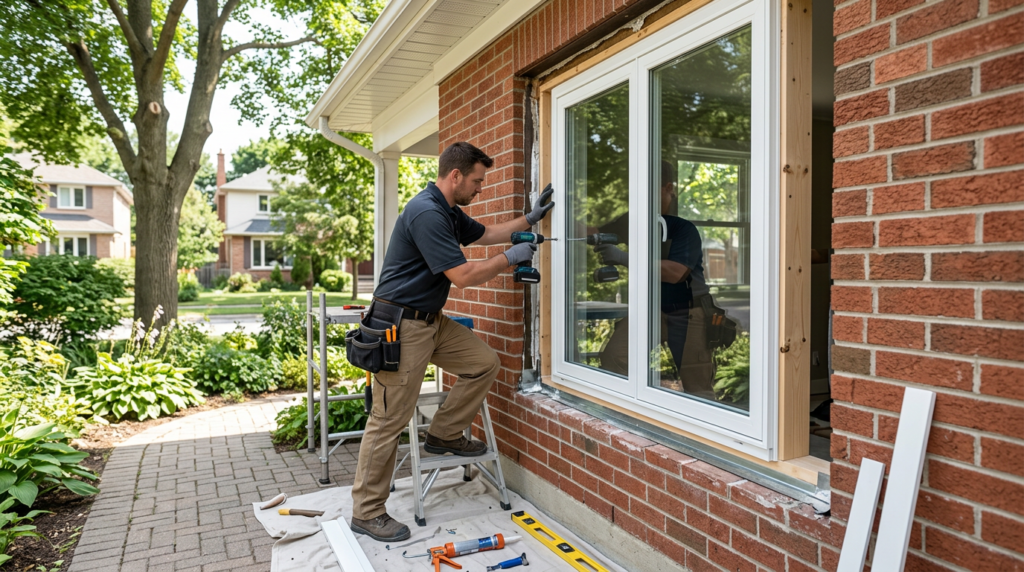
Quick answer: Choose a window replacement contractor by confirming they handle permits and measurements, offer the window type you want (vinyl, wood, fiberglass), and provide a clear written scope covering flashing, trim, disposal, and warranty terms. Ask how they prevent water intrusion, what installation method they’ll use (insert vs full-frame), and who does the work. Compare itemized quotes and timelines, then verify licensing and insurance before signing.
What to Ask Before You Book an Estimate
Start by narrowing your list to companies that specialize in windows, not general “we do everything” outfits. A good estimator should talk through how they’ll measure (including checking for out-of-square openings), what installation method they recommend, and how they’ll protect your home during the work. If you’re searching window replacement contractors near me, treat the first call like a mini-interview.
Ask who will actually install the windows—employees or subcontractors—and whether the same crew returns for finishing. Request a written scope that spells out interior trim, exterior capping, caulk/paint expectations, cleanup, and haul-away. If the quote is vague, you can’t compare it fairly to others.
Also ask about permits and lead-safe practices for older homes. You don’t need a lecture—just a clear “yes, we handle it” or “no, you’ll need to.”
Insert vs Full-Frame Replacement: Why It Matters
The biggest technical decision is usually insert (pocket) replacement versus full-frame replacement. Inserts keep the existing frame and replace the sashes and hardware. They’re often faster and less disruptive, but they rely on the old frame being solid and properly flashed.
Full-frame replacement removes the window down to the rough opening. It’s more work, but it lets the installer correct hidden rot, improve flashing, and reset the opening if it’s out of level. If you have soft wood, stained drywall around corners, or recurring condensation between panes, a full-frame approach may be the safer long-term fix.
Ask the contractor how they decide between the two on your house. The best answer includes inspecting for rot, checking the sill condition, and explaining how they’ll manage water at the head and jambs.
Red Flags in Quotes and Warranties
Look for an itemized quote that separates the window package from labor and lists what’s included around the window: flashing tape, drip cap (when appropriate), foam/insulation, exterior trim wrap, and interior trim work. If you only see a single line price with no scope, you’re taking on risk you can’t see.
Get warranty terms in writing for both the product and the installation labor. Manufacturer warranties can have exclusions for improper installation, so the installer’s workmanship coverage matters. Ask what happens if a window is hard to operate, leaks during a storm, or shows fogging between panes—who you call, and what’s covered.
Finally, confirm the payment schedule. A typical pattern is a deposit with the balance due after installation and walkthrough, but avoid paying the full amount upfront.
How to Prep Your Home and Set Expectations
Window replacement usually goes smoother when you clear the area around each window—move furniture back, take down blinds and curtains, and remove fragile items from nearby shelves. Expect some noise and dust, especially if trim needs to be adjusted or old frames are removed.
Ask the crew how they’ll protect floors and landscaping, where debris will go, and whether you’ll have any periods where a window opening is uncovered. A professional plan includes staging windows securely, keeping openings protected, and doing a same-day weather-tight finish whenever possible.
If you want help comparing options and getting a clear scope for your home, Georgia Home Windows is a straightforward place to start.