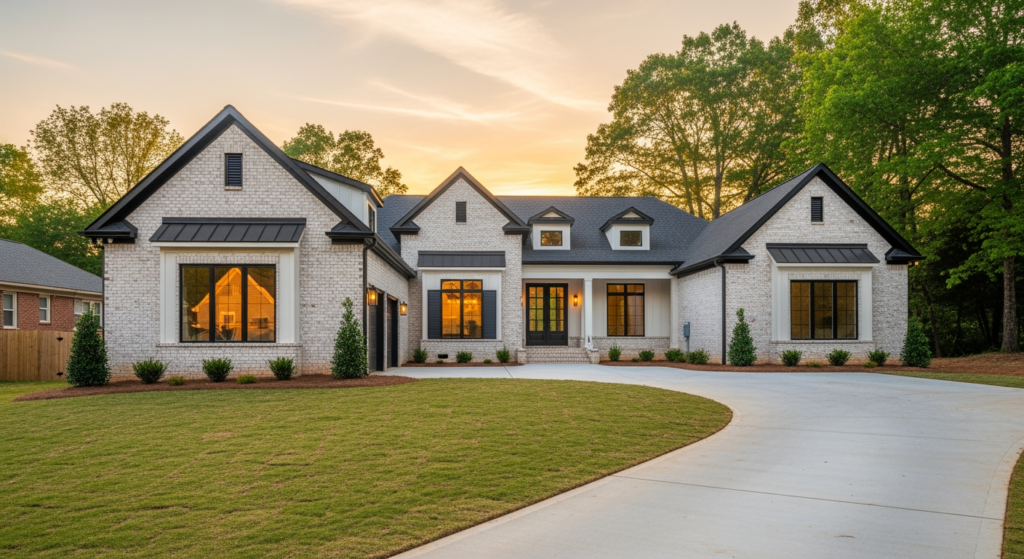
I’ve helped homeowners think through every stage of a build, and I know the difference a clear plan makes when you’re pursuing new home construction Athens GA. For local facts and statewide planning resources I often point people to trusted state information found at Georgia.gov, which is a good starting place for county-level rules and economic trends. In this guide I’ll walk you through what matters most in Athens and Clarke County — from costs and permits to trends and the practical steps that keep a build on time and on budget.
Why build new in Athens GA
Athens is more than a college town — it’s an evolving community with a lively downtown, established neighborhoods like Normaltown and Boulevard, and newer suburban growth around the outskirts of the city. People choose new home construction here for a few clear reasons: the chance to design a home that fits modern life, better energy performance than older houses, and the ability to select finishes and layouts that match how they live today.
Building new also lets you avoid the hidden costs of older homes: surprise repairs, outdated plumbing and wiring, and inefficient heating and cooling. For buyers who plan to stay for years or want a rental-grade property that lasts, new construction is a smart long-term investment in this area.
Trends shaping new home construction
Several trends have changed how we build in the last few years, and they’re showing up in Athens projects right now. Two major trends I see on almost every job are a stronger focus on energy efficiency and the integration of smart systems. Buyers want homes that cost less to run, that keep comfort stable through hot Georgia summers, and that support remote work or flexible living spaces.
Another trend is the move toward durable, low-maintenance exterior materials and purposeful landscaping that reduces irrigation needs. That’s especially useful in neighborhoods where older tree roots or tight lot conditions can complicate site work. Finally, design choices now emphasize multi-use rooms, wider hallways, and ground-floor accessibility to make homes adaptable as needs change over time.
Understanding costs and local statistics
Budgets are the single biggest source of stress for builders and homeowners. In Athens, lot prices, utility hookups, and site preparation (grading, tree removal, drainage) add meaningful cost beyond the house plan itself. Labor and material costs fluctuate seasonally, and supply chain shifts over the past few years mean you should budget extra for contingency rather than expect sticker prices to remain fixed.
When estimating costs, account for these local factors: proximity to downtown affects permit fees and utility connection costs, private well or septic needs can change plumbing expenses, and steep or heavily wooded lots require more site work. I always recommend setting aside at least 10 to 15 percent of the total construction budget as a contingency to cover changes or upgrades discovered during the build.
Permits and inspections
Permits are non-negotiable, and getting them right early saves weeks of delay. Athens and Clarke County have specific building, electrical, and plumbing permit processes. That means you should confirm setback rules and any historic district requirements if your lot sits near downtown or in one of the city’s older neighborhoods. When you engage a builder or an architect, have them verify zoning rules and pull the required permits before work begins.
Inspections are scheduled at key milestones: footing and foundation, framing, rough mechanicals, insulation, and final walk-through. Missing an inspection or failing a stage can stop the job, so my approach is to prepare thoroughly before each inspection and follow local code checklists. If you’re new to building, ask your builder to walk you through the inspection schedule and show you the paperwork so you understand what’s expected at each stage.
How to plan your build step by step
Breaking a build into clear phases makes planning less overwhelming. I recommend thinking in terms of pre-construction, construction, and finishing. Each phase has decisions that affect the next, so taking time up front saves money and stress down the line.
- Pre-construction includes site analysis, financing decisions, choosing a plan, budgeting, and securing permits.
- Construction covers site work, foundation, framing, rough-ins, and weatherproofing the structure.
- Finishing addresses cabinetry, flooring, painting, trim, landscaping, and final inspections.
- Post-construction is warranty work, system tuning, and settling in with a planned maintenance schedule.
At each stage I track progress against a timeline and a budget. It’s practical to set milestone-based payments tied to inspection approvals so everyone stays accountable and motivated to hit agreed targets.
Choosing the right builder
Choosing a builder is the most important decision you’ll make after purchasing a lot or choosing a plan. A great builder brings experience, transparent pricing, and a network of reliable subcontractors. They also communicate clearly and proactively, which reduces stress and prevents surprises.
Here are the questions I advise homeowners to ask during initial meetings with builders. These are short, concrete, and reveal how a builder runs jobs.
- Can you show recent projects in Athens or nearby neighborhoods and provide references?
- How do you handle change orders and cost overruns during construction?
- What is your typical project timeline and how do you manage subcontractor scheduling?
- What warranties do you provide and how do you manage post-completion issues?
Your sense of a builder often comes down to communication. If they return messages promptly, explain trade-offs in plain language, and produce clear contracts, you’re likely in good hands. If a proposal feels vague or you can’t verify their references, keep looking.
Energy efficiency and smart choices that matter
Energy-efficient features can lower monthly bills and increase comfort. In Athens, where summers are long and humid, consider insulation levels, sealed ductwork, efficient HVAC systems sized correctly for the home, and high-performing windows. These elements reduce the burden on the system and keep interior humidity under control.
Think about practical investments that pay back over time: LED lighting throughout, ENERGY STAR appliances, and tankless or high-efficiency water heaters. Smart thermostats and zoning systems let you control temperature room by room, improving comfort and reducing wasted energy when parts of the house are unoccupied. These systems are simpler to install during construction than to retrofit later.
Finishes landscaping and site considerations
Finish choices shape daily life and long-term maintenance. Hardwood floors and quality tile are forgiving and durable in active family homes, while low-VOC paints and properly sealed cabinets improve indoor air quality. For exterior materials, durable siding and composite decking resist the humid climate and reduce maintenance chores.
Landscaping should be designed to protect the home. Proper grading, planted swales, and native, drought-tolerant plants help manage rain events and reduce lawn irrigation. A thoughtful front and backyard design also adds curb appeal and resale value, especially in walkable parts of the city close to downtown amenities.
Timeline expectations and avoiding delays
No build goes perfectly, but many delays are avoidable. Common causes are late material deliveries, weather interruptions, and scope changes mid-build. You can limit those risks by ordering long-lead items early (specialty windows, custom cabinetry), choosing locally available finishes when possible, and settling major design decisions before ground breaks.
Communication routines keep everyone aligned. I suggest weekly progress updates, a shared schedule with milestone dates, and a single point of contact for decisions so information doesn’t get lost. When change orders are necessary, document them in writing with a clear cost and time impact so there are no surprises at the end of the project.
Maintenance and warranty planning
Once you move in, a short list of seasonal maintenance tasks will keep systems running well and protect your investment. Plan for HVAC checks twice a year, gutter cleaning in fall and spring, and an annual roof inspection. Keep manufacturer manuals and warranty documents organized; that saves time if you need repairs covered under warranty.
Ask your builder for a comprehensive walk-through at completion that documents finishes, serial numbers, and any maintenance expectations. A well-managed handoff explains how systems operate and when to call for service, which gives you confidence that problems will be handled promptly.
Practical tips I use with clients
Over the years I’ve collected small ways to prevent big headaches. These practical moves work whether you’re building a modest bungalow or a larger family home in this area.
- Confirm utility locations before digging to avoid costly relocations.
- Choose neutral finishes for large, permanent surfaces and invest in one or two standout features you love.
- Secure a contingency fund and make decisions based on long-term value, not trends.
- Document approvals for each change so contract scope remains clear.
Final thoughts and next steps
New home construction in Athens GA is an opportunity to create a house that fits your life now and for years to come. With thoughtful planning, the right team, and a clear budget and timeline, you can reduce surprises and enjoy the process. If you want practical, local help that understands Athens neighborhoods and the region’s building realities, reach out to explore next steps. I recommend beginning with a site review and a written scope so you know what to expect before commitments escalate.
For local projects in Athens, you can contact Tipton’s Fine Tuned Carpentry to discuss plans, budgets, and timelines with experienced carpenters who work regularly in this area.