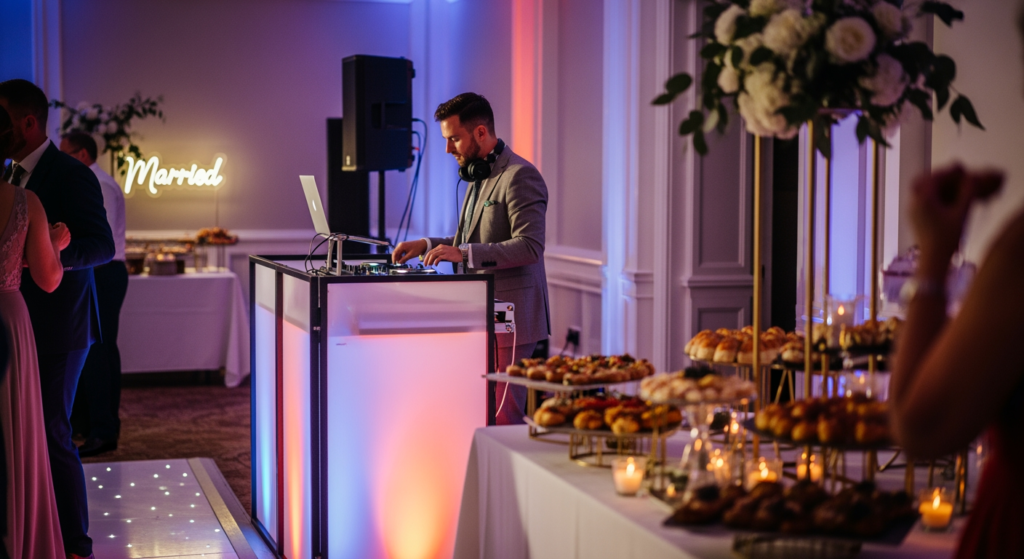
When I planned my first wedding event, finding the right wedding dj felt overwhelming—so many playlists, technical questions, and personalities to consider. If you’re planning a celebration in the city, you’re not alone: recent industry notes from the Office for National Statistics show the wedding market is bouncing back and couples are prioritizing music and atmosphere more than ever, which is why picking the right entertainment matters.
Why the right wedding DJ makes or breaks a reception
Music shapes the emotional arc of your wedding day. It welcomes guests, fills the pause between ceremony and dinner, gets everyone on the dancefloor, and signals the close of a perfect night. A skilled wedding DJ does more than press play—they read the room, adapt when plans change, and manage sound so speeches and first dances are memorable rather than stressful. I’ve seen receptions transformed when a DJ understands the couple’s taste and the crowd’s energy.
What to look for in a wedding DJ
There’s a lot to consider beyond song choices. Look for a DJ who communicates clearly, carries professional gear, has backup plans, and can provide references. Technical competence is essential: good sound balance, wireless microphone handling for speeches, and lighting that complements the venue without overpowering it. Personality matters too—your DJ should be pleasant and calm when under pressure, and able to take direction from you and your planner.
Essential qualifications and signs of professionalism
A trustworthy DJ will have clear booking terms, public liability insurance, and a written timeline for the day. They’ll ask questions about your schedule, ceremony music, and must-play and do-not-play lists. If they show enthusiasm for the songs you love and offer smart suggestions for transitions and volume control, that’s a great sign.
How to vet DJs in the city
Searching online gets you a long list, but narrowing it down requires a mix of research and conversation. Start by listening to sample mixes and watching short clips of live events. Then schedule brief calls with your top picks. During those calls, ask about experience with venues like yours, setup times, and how they handle requests from guests. A clear, confident voice on the phone usually translates to calm performance on the day.
Questions I always ask
- How many weddings have you DJed in venues similar to mine?
- Do you provide PA, microphones, and lighting, and what are your backup plans?
- Can you share a sample timeline for the day and an example playlist?
- What is your policy on guest requests and music that I don’t want played?
Planning playlists that work for everyone
Creating a wedding playlist is a balancing act between honoring the couple’s favorites and keeping diverse guests entertained. I recommend building three lists: ceremony music, dinner/ambience tracks, and upbeat dance-floor hits. Share a concise list of must-play songs and a short do-not-play list. Trust your DJ to weave between eras and genres—when done right, that unexpected mash-up is what gets grandparents and college friends dancing together.
Top trends to consider for your reception
Trends in wedding entertainment shift fast. Here are two I see often and why they’re worth thinking about now:
Micro-weddings and hybrid celebrations
Smaller guest lists and livestreamed ceremonies remain popular. A flexible DJ can tailor set lengths and levels for an intimate crowd while working with AV teams to capture audio cleanly for viewers at home. If you’re planning a hybrid event, make sure your DJ coordinates with the livestream provider to avoid audio feedback and to prioritize ceremony audio clarity.
Silent disco and immersive experiences
Silent discos are a creative way to extend the party at venues with strict noise limits. They’re also a fun shared experience that keeps people talking about your wedding afterwards. If you’re curious, ask a DJ whether they offer or partner with silent disco providers and how they manage transitions between live DJing and headphone channels.
Practical tips for sound and logistics
Good planning makes technical issues rare. Here are actionable steps I use when coordinating music for an event to avoid last-minute headaches.
- Confirm load-in and setup times with the venue and your DJ so there’s no overlap with caterers or decorators.
- Ask for a site visit or photos of the room so the DJ can plan speaker placement to avoid dead zones and feedback.
- Ensure the DJ has a sheltered, lockable space for equipment and access to power; extension cords and gaffer tape are standard tools.
- Plan a short soundcheck before guests arrive, especially if there will be live speeches or acoustic performances.
Budgeting: what to expect and how to get value
DJ pricing varies by experience, equipment, and the size of your event. While a lower price can be tempting, think about the value of reliability and peace of mind. A pro who offers a written contract, clear travel fees, and a rehearsal visit will often save you stress and unexpected costs. If you’re on a tight budget, consider hiring a DJ for a shorter set or choosing a weekday or off-peak date.
Creating a music timeline that supports the flow
A smooth musical flow keeps guests engaged and ensures no part of the reception feels rushed. Here’s a common timeline I recommend adapting to your schedule:
- Ceremony: Entrance, signing, exit—pick songs that match the pace and tone of each moment.
- Reception arrival and drinks: Low-key, conversational volume for mingling.
- Speeches and toasts: Prioritize mic checks and lower background music so words come through clearly.
- First dance and special dances: Transition to spotlighted songs that are slightly louder and focused.
- Evening dancing: Build energy gradually, read the crowd, and finish strong with classics and personal picks.
What to include in your contract
Contracts protect both you and the DJ. Make sure the agreement spells out the date, venue, start and end times, fees, payment schedule, cancellation policy, and what happens if the DJ is ill or equipment fails. Also confirm whether travel or accommodation costs are included, and whether overtime rates apply if the party runs late.
Common pain points and how a DJ solves them
Couples often worry about noise complaints, unruly guests, and last-minute changes. Experienced DJs come prepared with noise-monitoring strategies and soft-close playlists for venues with curfews. They’ll politely manage guest requests that clash with your do-not-play list and work with venue staff to keep transitions smooth. The best DJs act like calm conductors—directing sound, timing, and atmosphere so you can focus on celebrating.
Final checklist before you book
Before you sign, take a moment to confirm these final details. They’ll save time and stress as the date approaches:
- Written contract with clear timelines and payment terms.
- Confirmed list of must-play and do-not-play songs.
- Soundcheck time arranged with the venue.
- Clear plan for announcements, speeches, and any special performances.
Wrapping up and next steps
Finding the right wedding DJ is about matching skill with personality. When you work with someone who listens, plans ahead, and understands the rhythms of your event, the music becomes a memory-maker rather than a worry. Start early, trust your instincts during interviews, and use the checklists above to keep conversations focused and productive.
If you’d like hands-on help tailoring a playlist or walking through logistics for a reception in London or the surrounding neighborhoods, I’m happy to help connect the planning dots. For broader industry context, the Office for National Statistics offers useful insights on how the wedding sector is evolving, which can help with timing and budget choices: Office for National Statistics.
When you’re ready to lock in a pro and take one big task off your list, consider reaching out to Spin Sisters for availability and a custom quote. They can walk you through packages, equipment needs, and ways to make your reception uniquely yours.