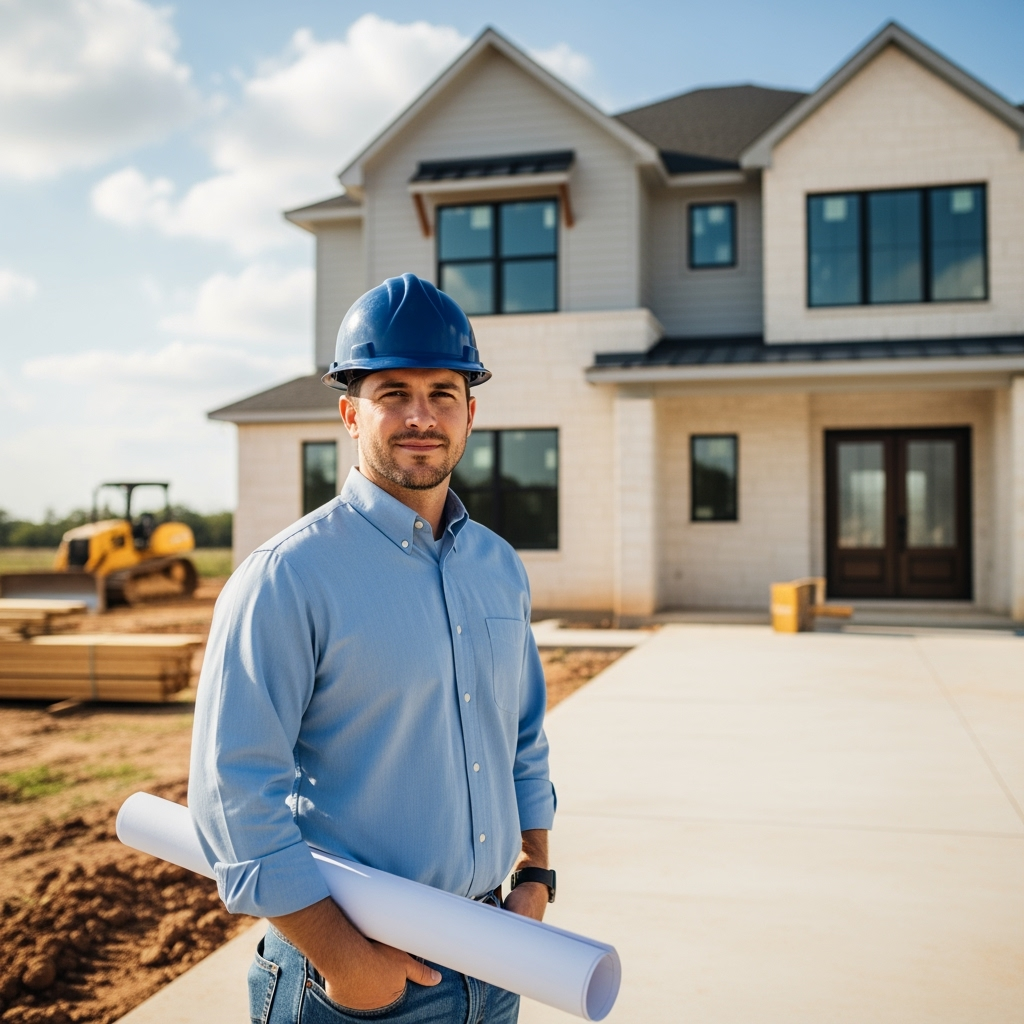
I’ve helped many people navigate the market for new construction homes in Waller, TX, and I always tell them the same thing: be prepared, ask the right questions, and know the neighborhood. For local context and housing statistics, the U.S. Census Bureau provides helpful regional data that can give you a sense of how fast the area is growing and who’s moving here https://www.census.gov/. In this guide I’ll walk you through the most important trends, what to expect when buying new construction, how to choose the right lot and floor plan, and practical tips to make the process smoother in Waller and nearby communities.
Why Waller is drawing homebuyers right now
I see three big reasons people choose Waller. First, there’s a balance between country living and access to the Greater Houston job market. Commuting options and highway access make it possible to live in a quieter area without losing work opportunities. Second, new communities in the area are built with modern floor plans that appeal to families and remote workers. Third, compared with some suburbs, you can still find reasonable pricing on new construction, especially in master-planned neighborhoods that include amenities like parks and playgrounds.
Top trends shaping new construction homes in this area
Home building in and around Waller is changing to meet buyer demand. Here are the trends I’m seeing right now:
- Energy efficiency and HVAC upgrades are standard requests. Buyers want lower utility bills and reduced maintenance.
- Home office spaces and flexible rooms are now common, reflecting the rise in remote or hybrid work.
- Smart home features are being built in rather than tacked on later—thermostats, security, and lighting systems that integrate from the start.
- Outdoor living space and larger lots remain popular as families look for room to spread out.
Understand the neighborhood before you choose a home
Choosing a builder is one thing; choosing the right neighborhood is another. In Waller, neighborhoods can vary from quiet, rural pockets to rapidly developing subdivisions with community amenities. When I tour new construction, I evaluate immediate surroundings, like nearby schools, grocery options, and commute times, and then I step back to consider longer-term plans for the area. A community labeled as “Attwater” or similar often denotes a planned development with sidewalks and shared spaces, which matters if you value walkability and a sense of community.
How to pick the right floor plan and lot
Picking a floor plan and a lot are two of the biggest decisions you’ll make. They affect daily life and resale value. I walk clients through these steps when they’re deciding:
- List your must-haves and nice-to-haves. Prioritize them so trade-offs are easier.
- Visit model homes to feel the flow of the space. Photos rarely convey scale or light.
- Choose a lot based on sunlight, drainage, and future development—corner lots, cul-de-sacs, and perimeter homes each have pros and cons.
- Think long term: how will that spare room function five years from now?
Financing new construction in the current market
Mortgage rates and lending options change quickly, so it’s important to get pre-approved early. Builders often work with preferred lenders who understand construction timelines and offer incentives, but you should always compare offers. If you’re trading up from a current home, discuss bridge loans and contingency timelines with your lender. I advise buyers to lock in a rate at the right moment and to budget for construction holdbacks, upgrades, closing costs, and potential utility connections.
Common financing path for new builds
Most buyers follow a path that starts with pre-approval, selects a lender and loan type (conventional, FHA, or VA if eligible), and then coordinates final mortgage approval with the builder’s construction timeline. Ask about staged draws and whether interest-only payments apply during the build phase. Having a clear payment plan reduces surprises on move-in day.
What to inspect and expect during construction
New homes don’t mean no worries. In fact, construction introduces specific checkpoints you should watch. Here’s what I recommend tracking during the build:
- Framing and structural inspections to ensure proper materials and alignment.
- Rough-in inspections for plumbing, electrical, and HVAC before walls are closed.
- Energy and insulation verification to confirm promised efficiency levels.
- Final walkthrough items documented in a punch list so the builder addresses them before closing.
Questions to ask the builder and sales team
To avoid regret later, ask direct questions up front. I always encourage clients to be specific and get answers in writing. Useful questions include:
- What warranties cover the home and major systems, and how do I file a claim?
- Can you provide a timeline with key milestones and a process for delays?
- Which upgrades are frequently chosen by buyers, and which are easier to add later?
- How are community rules enforced, and are there HOA fees or restrictions?
Energy efficiency, sustainability, and future-proofing
I’ve noticed buyers increasingly care about long-term cost and comfort. Builders in the area are responding by including better insulation, high-efficiency HVAC systems, and upgraded windows. If sustainability matters to you, ask about low-VOC materials, water-conserving fixtures, and Energy Star appliances. These features help lower bills and can make the home more attractive if you sell later.
How to manage upgrades without overspending
Upgrades can quickly add up. My approach is simple: focus on items that are expensive or disruptive to add later, and defer things you can install on your own after moving in. Prioritize built-in items like kitchen cabinetry, plumbing rough-ins, and HVAC capacity. For decorative choices like paint or light fixtures, consider doing them after closing when you can shop for deals and trends.
Practical timeline from contract to move-in
Here’s a realistic timeline I share with clients. It varies by community and season, but this is a typical sequence:
Signing the contract and selecting options: 2–6 weeks. Site work and foundation: 2–6 weeks. Framing and rough-ins: 4–8 weeks. Exterior finishes and systems: 4–8 weeks. Final inspections and punch list: 1–3 weeks. Close and move-in: scheduled once all items are cleared. Weather permitting, and supply availability can extend these windows, so build buffer time into your plans.
Local considerations for Waller buyers
Living in Waller means you’re close to both open spaces and regional highways. Commute times vary depending on your destination in the metro area, and some buyers choose lots that reduce drive time. School districts, nearby medical centers, and access to groceries are practical factors that influence daily life here. If you want quieter streets and larger lots, look farther from the main thoroughfares; if you prefer convenience, pick a lot closer to commercial nodes.
How this builder community can solve common buyer pain points
New construction often solves common problems buyers face in resale homes: outdated systems, hidden maintenance issues, and inefficient layouts. In a well-planned community you’ll find modern plumbing and electrical systems, warranties for peace of mind, and community standards that help preserve property values. If you want a low-maintenance yard or built-in homeowner amenities, newer communities typically include those features from the start.
Actionable checklist before you sign
Before you sign anything, I recommend this quick checklist to reduce risk and make sure your investment fits your life:
- Confirm financing and get a clear breakdown of all costs, including HOA fees.
- Walk the lot at different times of day to check sunlight, noise, and traffic patterns.
- Ask for a full list of included features and a copy of the warranty documents.
- Request a schedule of inspections and a written plan for addressing punch list items.
Final thoughts and next steps
Buying a new construction home in this area is an exciting chance to shape how you live. I always encourage buyers to stay organized, protect their budget, and communicate openly with their builder and lender. Visit model homes, take notes, and don’t rush upgrades that can be added later. With the right approach, you can move into a home that fits your lifestyle and offers long-term value in Waller and nearby neighborhoods.
If you’re ready to tour available homes or want personalized guidance on floor plans, lots, financing, or timelines, my recommendation is to start with a builder that has active communities in Waller and a clear process for buyers. For a look at one of the current communities and available plans, visit the builder’s site to learn more.
When you’re ready to take the next step, consider contacting Empire Homes to explore their Waller area offerings and community details.