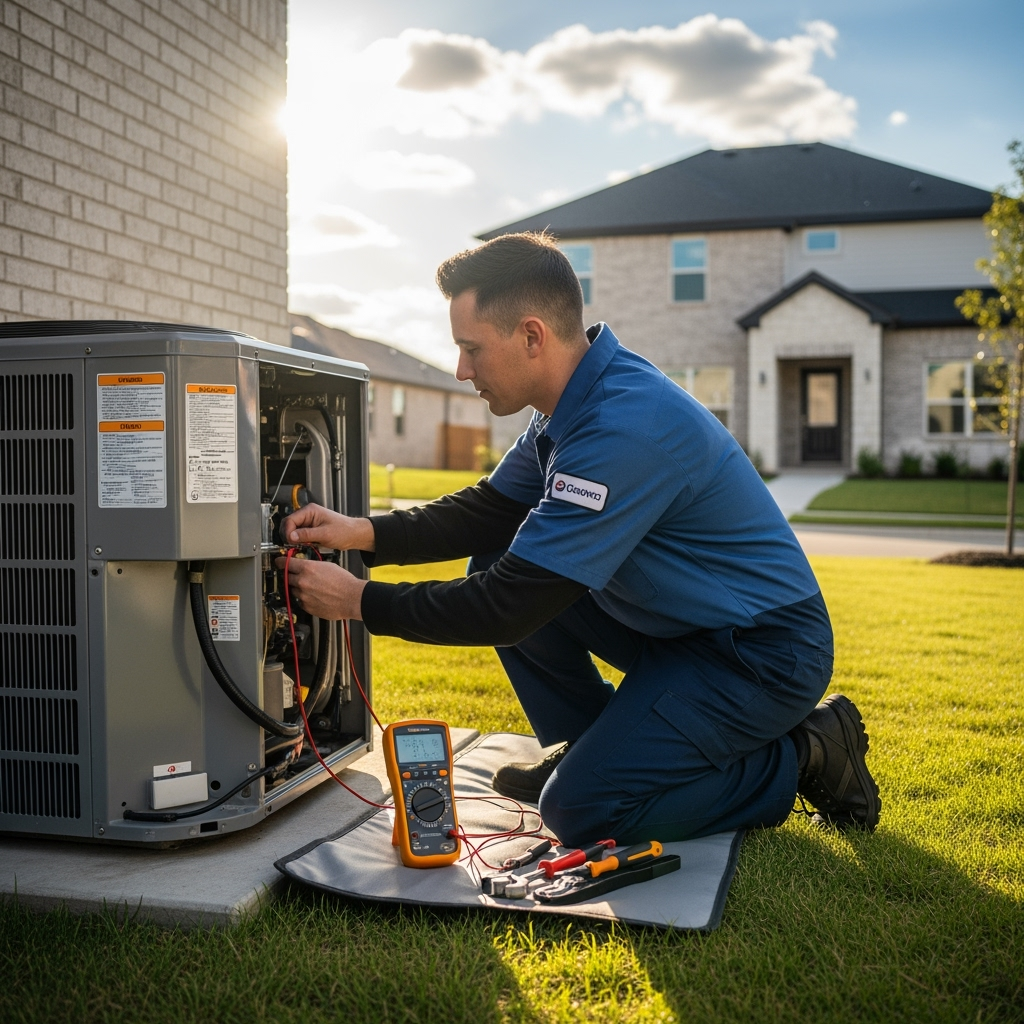
When temperatures rise, every homeowner starts searching for trustworthy help — and that’s exactly when I first typed air conditioning services near me into a search bar. If you’re trying to decide who to call, you’re not alone: HVAC concerns are among the top home service requests each summer, and simple choices now can save money and discomfort later. For facts about energy efficiency and how HVAC systems affect indoor air quality, it helps to check reputable guidance like the U.S. Environmental Protection Agency’s homepage at EPA.
Why local expertise matters for air conditioning services
Choosing a local technician isn’t just about convenience. Local teams know how heat and humidity behave in the city and nearby neighborhoods, how older homes are wired and ducted, and which parts and refrigerants are available at short notice. That means faster repairs and more accurate estimates. A nearby service provider can also respond rapidly during heatwaves, when demand spikes and wait times often increase for out-of-town contractors.
Common problems local techs solve quickly
In my experience, the most common calls I see are for systems that blow warm air, short cycling, strange noises, and sudden pressure or air quality changes. A technician who knows the area will often diagnose common local issues faster — for instance, whether frequent short cycles are due to undersized units in older homes around downtown, or whether pollen and seasonal allergies in the suburbs are triggering clogged filters that reduce airflow.
What to look for when evaluating air conditioning companies
Not every ad is a guarantee of quality. When I look for a company, I watch for these practical signals of professionalism and trustworthiness:
- Clear pricing and honest estimates that explain parts, labor, and any diagnostic fees.
- Technicians who explain the problem and the solution in plain language rather than jargon.
- Up-front proof of licensing and insurance, and a willingness to show references or real customer reviews.
- Availability for emergency calls and a clear warranty on repairs and new installations.
Questions to ask before you book
Before scheduling a visit, I recommend asking: How long will the repair or install take? Which brands and refrigerants do you service? What warranties do you offer on parts and labor? These questions help set expectations and reduce surprises on the final invoice. If a company refuses to answer, that’s a red flag.
Trends shaping air conditioning services right now
There are a few trends I’ve been watching closely that influence both short-term repairs and long-term planning for homeowners:
1. The rise of smart thermostats and connected HVAC
Smart thermostats are no longer a luxury — they’re a practical way to reduce energy use and get better comfort control. Many local services now offer thermostat upgrades and can integrate your air conditioner with home automation systems, which helps reduce runtime and keeps the system healthier over time.
2. Refrigerant changes and efficiency standards
Regulatory shifts have prompted manufacturers and service technicians to adopt new refrigerants and more efficient equipment. If you have an older unit that uses phased-out refrigerants, a trusted technician can advise whether repair, retrofit, or replacement is the smarter financial choice.
3. Electrification and heat pump adoption
More homeowners are choosing heat pumps for combined cooling and efficient heating, especially in milder climates. Local HVAC pros who understand heat-pump technology can help determine if a conversion makes sense for your home and energy bills.
Energy-saving upgrades that pay off
I often recommend a few practical upgrades that reduce bills and extend the life of an air conditioner. These upgrades are commonly available from local HVAC firms and typically offer measurable returns within a few years.
- Install a programmable or smart thermostat to reduce runtime when no one is home.
- Seal and insulate ductwork to prevent conditioned air loss in crawlspaces and attics.
- Upgrade to a higher SEER-rated unit if your system is over 10–15 years old.
- Swap old filters for high-quality pleated filters and set a regular replacement schedule.
Maintenance checklist every homeowner can use
Preventative maintenance extends system life and reduces emergency calls. I walk through this checklist with homeowners during routine visits because small actions prevent costly failures later.
Quarterly and seasonal care steps
Follow these steps to keep your system running smoothly throughout the year:
- Change or clean air filters every 1–3 months depending on usage and pets.
- Keep outdoor units clear of debris, vegetation, and ice buildup; ensure 2–3 feet of clearance around the unit.
- Schedule a professional tune-up before peak seasons so refrigerant levels, coils, and electrical components are inspected.
- Check vents and registers to ensure no furniture or drapes block airflow.
Troubleshooting before you call
Some quick checks can save a trip or make the technician’s visit faster and cheaper. I always advise homeowners to run these simple diagnostics before calling for service so the technician can arrive prepared.
Easy diagnostic steps
If your AC isn’t cooling, start here:
- Confirm the thermostat is set to cool and below the room temperature; check that batteries are fresh.
- Inspect and replace the air filter if it’s dirty; restricted airflow often causes poor cooling.
- Look at the outdoor unit while it’s running; if the fan or compressor isn’t running, turn off power at the breaker and call a technician.
- Check the circuit breaker and any disconnect switches; a tripped breaker is a common issue after power surges.
How to compare repair vs. replacement
When a system ages, I calculate repair cost versus replacement value using a simple rule: if a single repair will cost more than half the price of a new system and the current unit is over 10 years old, replacement usually makes more sense. Consider efficiency gains, warranties, and whether your home’s ductwork supports a modern unit. A local technician can provide an apples-to-apples estimate that includes projected energy savings and expected life span.
Signs replacement may be the better choice
Look for repeated breakdowns, rising energy bills, uneven cooling, and noisy operation. If your system uses older, phased-out refrigerants, replacing it with a more efficient model will often be less expensive in the long run than repeatedly paying to source obsolete parts.
Pricing expectations and avoiding surprises
Transparent pricing is a mark of a reputable company. Expect a diagnostic fee for service calls, clear line-item estimates for parts and labor, and a written agreement for major repairs or installs. Be cautious of unusually low estimates that require “adjustments” later — good technicians explain the likely range of costs and what could change the final price.
What a professional service visit should include
A quality service visit is more than a quick fix. When I send or welcome a technician into my home, I expect a full assessment that includes an inspection of electrical connections, refrigerant charge, airflow, thermostat calibration, and a review of any accessible ductwork. The technician should explain any safety concerns and provide written recommendations.
Red flags during a visit
If a technician refuses to show proof of credentials, avoids answering questions about warranties, or pressures you to sign up for costly add-ons without explanation, get a second opinion. A trustworthy pro will walk you through options and respect your choice to compare estimates.
How local companies help during heatwaves and emergencies
Local contractors often set aside shifts for emergency calls when temperatures spike. They can provide temporary cooling solutions, prioritize calls for high-risk residents, and offer fast parts sourcing through local supply channels. Ask about emergency policies when you first contact a company so you know what to expect during peak demand times.
Wrapping up: practical next steps
Start by documenting your system’s age, last maintenance date, and any recent odd behavior. Use the maintenance checklist above to rule out simple causes, then get at least two written estimates for major repairs or replacements. Prioritize companies that demonstrate local knowledge, clear pricing, and a willingness to explain the work in plain language.
If you want a trusted local partner who can respond quickly and help you weigh repair versus replacement, consider contacting HHMEC for an estimate and seasonal tune-up. HHMEC can assess your system, explain options, and provide service tailored to the needs of homeowners in the city and surrounding neighborhoods.