If you need an electrician in Athens, Ga, you want someone who knows the neighborhoods, codes, and common wiring issues we see around here. I’ve worked with homeowners and small businesses across the city long enough to know that fast, clear communication and safe, code-compliant work matter more than a low price. For background on home energy and efficiency trends that affect electrical choices, the U.S. Department of Energy is a useful place to start for national guidance and programs U.S. Department of Energy.
Why hiring a local licensed electrician matters
Residential wiring, panel work, EV charger installs, and commercial electrical projects require local know-how. A licensed electrician who regularly works in Athens, GA understands permit requirements, common wiring types in older homes, and how to coordinate with local inspectors. They also know how to work around seasonal conditions here—hot, humid summers and the occasional storm—so systems are configured to be safe and resilient.
Beyond code compliance, a local pro brings practical benefits: faster response times for service calls, familiarity with utility company processes, and experience solving the specific issues you’ll find in neighborhoods like Downtown, Five Points, and the university-adjacent areas. That local experience reduces guesswork and unexpected costs.
Common electrical problems in Athens and what causes them
Many calls I handle fall into a few predictable categories. Understanding root causes helps you spot issues early and decide whether you need a repair, a replacement, or a safety upgrade.
- Frequent breaker trips or flickering lights — often caused by overloaded circuits, aged panels, or loose wiring connections.
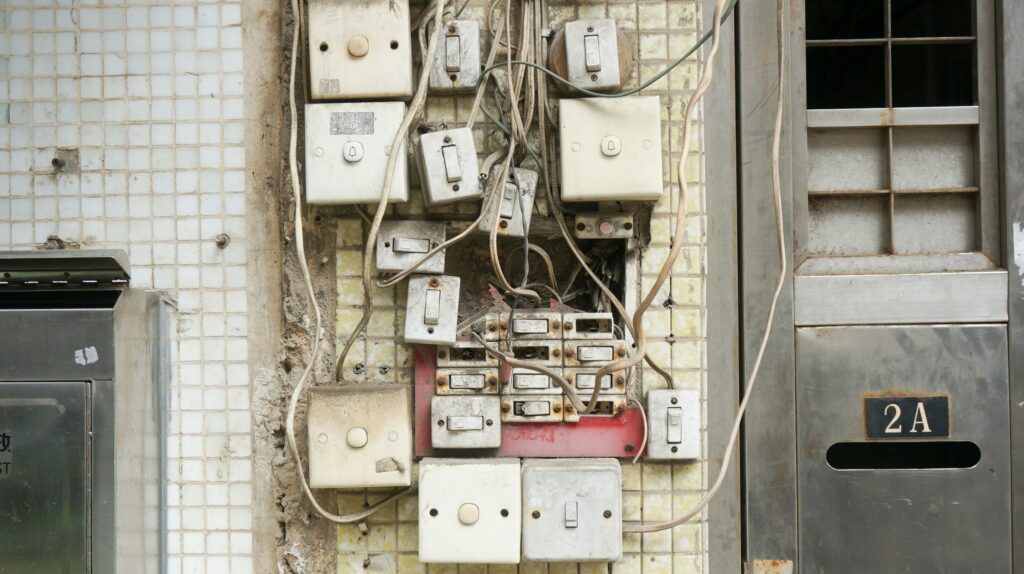
- Outlets not working or showing scorch marks — can indicate damaged wiring or loose receptacles that present shock and fire risk.
- Old two-prong outlets in older homes — these may lack grounding and pose hazards for modern appliances.
- Unexpected power outages in parts of a home — typically a sign of a failing breaker, damaged wiring, or a problem at the main panel.
Many Athens homes were built decades ago and may still have original wiring or undersized panels. That’s why upgrades—like service panel replacements, dedicated circuits for modern appliances, and GFCI installation in wet areas—are common recommendations during an inspection.
Services to look for from a full-service electrical company
Not all electricians offer the same range of services. When you’re evaluating options, prioritize firms that handle both routine work and complex projects so you don’t need to call multiple contractors.
Key services to expect locally:
- Residential repairs and troubleshooting, including outlet and light fixture repairs.
- Panel upgrades and breaker replacements to increase safety and support modern loads.
- EV charger installation and load calculations to support home EV charging safely.
- Generator and battery backup planning for storm-prone periods and power resilience.
For commercial clients, look for experience with tenant improvements, subpanel installs, conduit work, and projects that require coordination with building management and inspectors. A shop that can handle both a 1-hour outlet fix and a multi-day retrofit will give you continuity and fewer scheduling headaches.
How I vet an electrician before hiring them
When I evaluate electricians, I use a consistent checklist so I get the right mix of price, safety, and reliability. You can use the same approach.
- Verify license and insurance. Licensing confirms they passed trade requirements; insurance protects you if something goes wrong.
- Ask about warranties and guarantees. A clear workmanship warranty shows confidence in quality.
- Request a written estimate with scope and materials. The best electricians outline what’s included and what might change.
- Check local reviews and ask for references from jobs in Athens neighborhoods.
Don’t hire someone who pressures you for cash-only deals or refuses to show ID or proof of insurance. Those are red flags that can cost you more in the long run.
Pricing expectations, rebates, and cost-saving tips
Electrical work is priced based on materials, labor time, and complexity. Simple repairs or outlet replacements are often billed at a lower flat rate, while panel upgrades, EV charger installs, and rewiring are larger investments. Here are practical tips to manage cost without compromising safety.
Cost-saving strategies I recommend:
- Bundle work. Combining a panel upgrade with other electrical improvements often reduces total labor costs because the electrician is on site longer and can schedule efficiently.
- Look for local incentives or utility rebates for energy-efficient upgrades or EV charger installations. While rebates change, planning ahead can unlock savings.
- Ask for a phased plan. For extensive rewiring, split the work into priorities so you can address immediate safety issues first and schedule extras later.
- Use LED lighting and smart controls. While there’s an upfront cost, these reduce long-term energy bills and may be eligible for local programs.
Two trending topics are shaping local electrical work right now: rising demand for home EV chargers and the adoption of whole-house battery systems. EV charger installations require a load assessment and sometimes a panel or service upgrade. Battery backup systems are increasingly popular here because they provide extended power during storms and allow homeowners to shift loads to save on peak electricity costs. Both trends are prompting more homeowners to think about electrical capacity, not just a single device hookup.
Emergency electrical situations: what to do immediately
Electrical emergencies happen. When they do, your immediate actions can prevent injury and reduce damage. Below is a short, focused checklist to follow when you suspect a dangerous electrical issue.
- Shut off power to the affected area at the breaker if it’s safe to do so. If the main panel is hot or sparking, leave it off and keep people away.
- Avoid water near electrical appliances or outlets. If an appliance is in water, turn off power first or call for help if unsure.
- Do not touch a person who is being shocked until power is turned off. Call emergency services if someone is injured.
- Call an emergency electrician if you see smoke, smell burning, or detect persistent sparking. These are urgent fire risks.
Emergency electricians in the area can respond faster if they are local—another reason local expertise matters. If storms are in the forecast, preemptive generator or backup battery planning can reduce the chances of an emergency call altogether.
What to expect during a service call
A professional electrician follows a clear process. Knowing that sequence helps you prepare and sets expectations for time and cost.
Typical visit steps:
1) Arrival and safety check: The electrician assesses the site for hazards and isolates circuits as needed. 2) Diagnosis: They test circuits, outlets, fixtures, and the panel to find the root cause. 3) Estimate and options: You’ll get a clear explanation of the problem and a written estimate for recommended work. 4) Work and cleanup: After you approve, they complete the job and leave the area tidy. 5) Documentation: A quality electrician provides receipts, warranty info, and any required permit paperwork.
Permits and inspections are part of many jobs, especially panel upgrades and major rewiring. Your electrician should pull permits when required and coordinate inspections so the work passes local codes. That helps protect your home’s resale value and ensures long-term safety.
Questions to ask before you sign anything
Clear communication prevents surprises. Before work starts, I always ask these questions, and I suggest you ask the same:
– Who is the licensed electrician who will do the work, and can I see the license?
– Is the crew insured, and what does the insurance cover?
– Will permits be required, and if so, who pulls them?
– What is the projected timeline, and what happens if more issues are discovered?
A reputable electrician will welcome these questions because they show you care about safety and value. If an electrician avoids answering or gives only verbal promises, ask for everything in writing.
How modern technologies are shaping local electrical projects
Two technology trends are especially relevant in Athens: smart home electrification and energy resilience solutions. Homeowners are increasingly asking for integrated lighting systems, smart breakers, and EV-ready circuits. Smart controls can reduce energy use and improve convenience, but they require careful design to ensure network security and compatibility.
Energy resilience—via whole-house batteries, backup generators, and automatic transfer switches—is another growth area. These systems are especially valuable in neighborhoods that experience storm-driven outages. When planning a resilience system, consider how long you want to stay powered, which circuits are essential, and how the system will interact with the utility grid.
Real examples of problems and practical fixes
Here are a few practical scenarios I’ve encountered and the approach that solved them. These illustrate how professionals diagnose and fix issues efficiently.
Scenario: A kitchen circuit trips when the microwave and coffee maker run simultaneously. Diagnosis: The circuit was shared by multiple heavy-draw appliances, and the breaker was undersized. Fix: The electrician installed a dedicated circuit for the microwave and replaced the old breaker with the appropriately rated breaker after confirming the wiring condition.
Scenario: Dimmers flicker or buzz with LED bulbs. Diagnosis: Older dimmer switches were designed for incandescent loads and aren’t compatible with LED drivers. Fix: Replace with LED-compatible dimmers and, if needed, upgrade fixtures for better compatibility and performance.
Scenario: Outlet outlets show discoloration or a burned smell. Diagnosis: Loose connections can create heat and eventual arcing. Fix: Replace the outlet, tighten or re-terminate wires properly, and check the circuit for any underlying faults.
Final tips to keep your home safe and your project on budget
Plan ahead and be proactive. Electrical work is an investment in safety and functionality. Here are a few final practical tips I share with homeowners and small business owners:
- Schedule an electrical safety inspection if your house is more than 30 years old or you notice frequent issues.
- Upgrade to AFCI and GFCI protection where recommended—these devices reduce fire and shock risk.
- Think ahead for EV charging and new appliances; sizing your panel now can avoid costly upgrades later.
- Keep records of work and permits for future buyers or when selling your property.
Choosing the right electrician in Athens, Ga, isn’t just about price—it’s about trust, clear communication, and a focus on safe, code-compliant solutions that meet your needs today and tomorrow.
If you’re ready to get a quote or need a safety inspection for your home or business, I recommend contacting a licensed local electrician who can provide a written estimate, discuss permit needs, and answer questions about EV charging and backup power options. For reliable service in Athens, GA, consider reaching out to All Sparks Electric.